The Rise and Fall of The Texas Chainsaw Massacre Game: A Horror Story
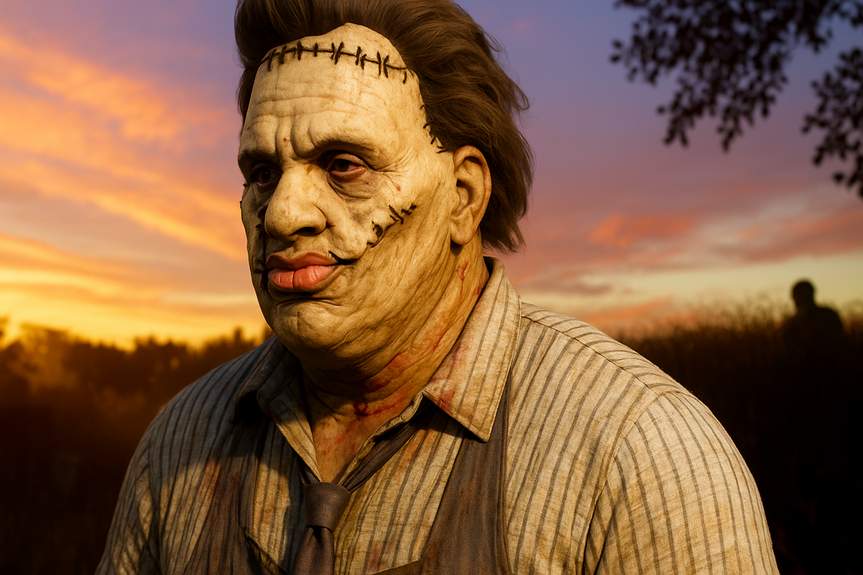
The Dream That Became a Nightmare
Ah, the Texas Chainsaw Massacre game! It burst onto the scene with all the swagger of Leatherface at a family reunion. But soon, this horror game, which set out to “raise the bar” for multiplayer terror, found itself biting off more than it could chew. Two years after it hit the shelves, it was declared DOA, leaving horror enthusiasts and the folks at Gun Interactive sobbing into their chainsaws.
Its unique 4v3 gameplay made it a standout among other horror titles, aiming to solve that pesky matchmaking issue that haunted asymmetrical games like a ghost at a seance. But with development costs climbing higher than a horror movie budget, updates came to a screeching halt. Gun CEO Wes Keltner shared a sad truth: they had to choose between puffing out subpar content and safeguarding the livelihoods of their employees. Spoiler alert: employees won.
The Horror of Rising Costs
When the game launched, it entered a bloodbath dominated by giants like Dead By Daylight. Critics initially praised its stunning graphics and gameplay variety, giving it glowing reviews. But in the backroom, Keltner was sweating bullets over rising costs. Production of The Texas Chainsaw Massacre kicked off before COVID-19 turned the world upside down, and while they had dreams as big as Leatherface’s chainsaw, the reality struck hard: chip shortages meant new consoles were beyond reach for many players. Adapting to older systems? Yeah, that was going to cost a pretty penny!
Thanks to a partnership with Microsoft’s Game Pass, they scored some additional funding, but it added a whole year to development. And as anticipated, development costs skyrocketed—at least 35% more, to be exact, just to keep the lights on. With money dwindling and a pressing need for new content, Keltner faced a harrowing dilemma. In his eyes, releasing half-baked content wasn’t just bad business; it was downright immoral. And with revenues dropping, the horror of mediocrity loomed like a specter over their heads.
Keltner wasn’t interested in the “what-ifs,” but he did wish he had been a tad more frugal with the budget line for motion capture. The effort put into hiring actors and creating unique movements for each family member in the game was admirable but costly. After millions were spent on bespoke animations—think casting calls, travel, and editing sessions—the team started to wonder if they might have been better off with fewer animations and more game content.
Despite calling it quits on development, Gun resolved to keep dedicated servers running instead of tossing in the towel for a peer-to-peer solution. It seemed like a good idea at the time, but with dwindling active players versus the high cost of those servers, Keltner’s optimism quickly turned into concern over continued expenses that just felt like a horror story unfolding in slow motion.
As the dust settled, Keltner and his crew shifted gears to assist IllFonic with their upcoming Halloween game and continued to explore potential projects. While most are shrouded in mystery as thick as fog on a Halloween night, he did tease that not all of them would involve blood and guts. So, for now, horror fans might just have to hold onto their chainsaws and stay tuned for whatever frightful creations are brewing in the shadows.