How SNEG is Resurrecting Gaming’s Forgotten Treasures
The Digital Archaeology of Gaming
Let’s face it, gaming has its share of memory mishaps, and no, I’m not just talking about how your old gaming rig struggles for RAM. The lines of code that keep games alive might be eternal, but a whole lot of hurdles stand between today’s gamers and classic titles. We’re talking about tech that just won’t play nice with newer hardware and all those pesky legal entanglements keeping retro gems locked away like they’re hidden treasure.
Enter SNEG Games, a fearless publisher on a mission to rescue classic games from the digital abyss and legal quagmires. I had a chat with Artem Shchuiko, one of the brains behind SNEG, and let me tell you, the path to resurrecting these lost titles is nothing short of an adventure.
Unlocking the Gates to Nostalgia
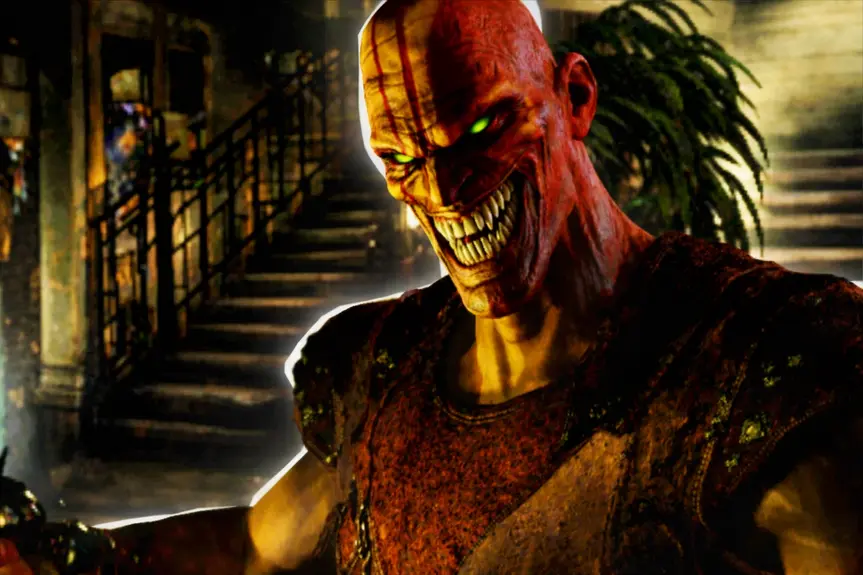
Right off the bat, Shchuiko revealed that securing the rights for an old game feels a lot like embarking on a treasure hunt. Picture this: when they were trying to bring back Pool of Radiance: Ruins of Myth Drannor, they had to wrangle rights from not just one, but three different parties—a bit like trying to gather the Avengers of the gaming world.
But that’s the easy part! In one case, hunting down the original developer of the Ecstatica games turned into quite the saga. This guy had ditched gaming a couple of decades ago and was knee-deep in a world of science and sculpture. Tracking him down? That was digital detective work, with the team having to charm him into trusting them with his masterpiece.
And wait for it… for another unreleased title, they had to kickstart legal proceedings linked to a company that fizzled out over 25 years ago! Talk about digging up dusty legal bones!
That’s where things get wild. Shchuiko pointed out that in most cases, the original source code is like trying to find a needle in a very, very old haystack. So they turn to reverse-engineering—basically reconstructing the game to fit on today’s systems while also fixing up any bugs or quirks. It’s not just a stroll down memory lane; it’s an intricate dance with ancient coding languages that barely anyone remembers.
The whole ordeal is what Shchuiko fondly dubs as “digital archaeology,” sifting through unpredictable code, outdated tech, and missing game assets, just like a real archeologist would sift through sand and dirt. But be warned—much like real-life digs, they never know what’s lurking in the code until they start poking around!
But wait—this is just the tip of the iceberg! Depending on the title, they might be rewriting whole sections, beefing up controller support, or figuring out compatibility like it’s a Rubik’s cube from the ‘90s. SNEG’s team has cultivated a rather unique skill set that you won’t find at your regular development studio, but they still can’t do it all alone. The best part? They’re hardcore gamers too, aiming not to reshape these classics but to capture the magic that made them special in the first place, all while making sure players can still enjoy them without a headache.
So, what exactly are they preserving? Shchuiko explains that preserving games isn’t just about hoarding old files or making sure they boot up on a modern PC. It’s about ensuring the soul of the game lives on, allowing new players to dive into the experience without feeling lost or frustrated. Because let’s be honest—compatibility issues and bugs that give you a mild heart attack don’t need to be part of the package.
When it comes to preserving the original vibe, SNEG aims for a balancing act. They want to throw out the junk while keeping the heart—essentially taking out the trash, but leaving the treasure sparkling. Shchuiko wraps it all up perfectly: preserving means honoring the past while paving a path for the future. And honestly, who wouldn’t want to relive those classic gaming moments without the frustration of tech issues? Now that sounds like a quest worth embarking on!